No products in the cart.

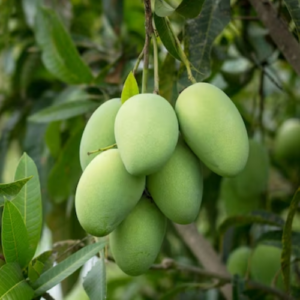
Sundari Mango
A mango is a sweet, tropical fruit that grows on the Mangifa indica tree, which is native to South Asia. The fruit is a fleshy drupe that varies in size, shape, and color (ranging from green to yellow, orange, red, or purple) and has smooth, leathery skin enclosing a large, flat seed surrounded by sweet, soft, and juicy flesh. Mangoes are nutritious, high in vitamin C, and are eaten raw or used in many culinary dishes.
Fruit
- Appearance: The fruit’s appearance is highly variable depending on the cultivar, but it is generally oval, round, or kidney-shaped and can range from 2 to 10 inches in length and weigh from a few ounces to over 5 pounds.
- Color: Unripe mangoes are green. As they ripen, their skin can develop hues of yellow, orange, red, or purple.
- Texture: The flesh is soft, juicy, and sweet, with a texture that can range from fibrous to fibreless.
- Seed: The center contains a large, flat, oblong seed that can be fibrous or smooth and does not always separate easily from the pulp.
Tree
- Type: It is an evergreen tree that can grow 50–60 feet tall, although some can reach over 130 feet.
- Leaves: The leaves are long, glossy green, and arranged in rosettes at the branch tips.
- Flowers: The small, fragrant, pinkish flowers appear in panicles.
- Native region: Native to southern Asia, it is now grown in tropical and subtropical regions worldwide.
Culinary and nutritional information
- Culinary uses: Mangoes are eaten fresh as a popular dessert fruit but are also processed into juices, chutneys, and other products.
- Nutrition: Mangoes are a good source of vitamin C, magnesium, and potassium, and contain various other vitamins and minerals.
- Storage: The fruit is perishable and needs to be handled, transported, and stored carefully to prevent spoilage.
- Mango | Description, History, Cultivation, & Facts
The mango (Mangifa indica) is a member of the cashew family.